

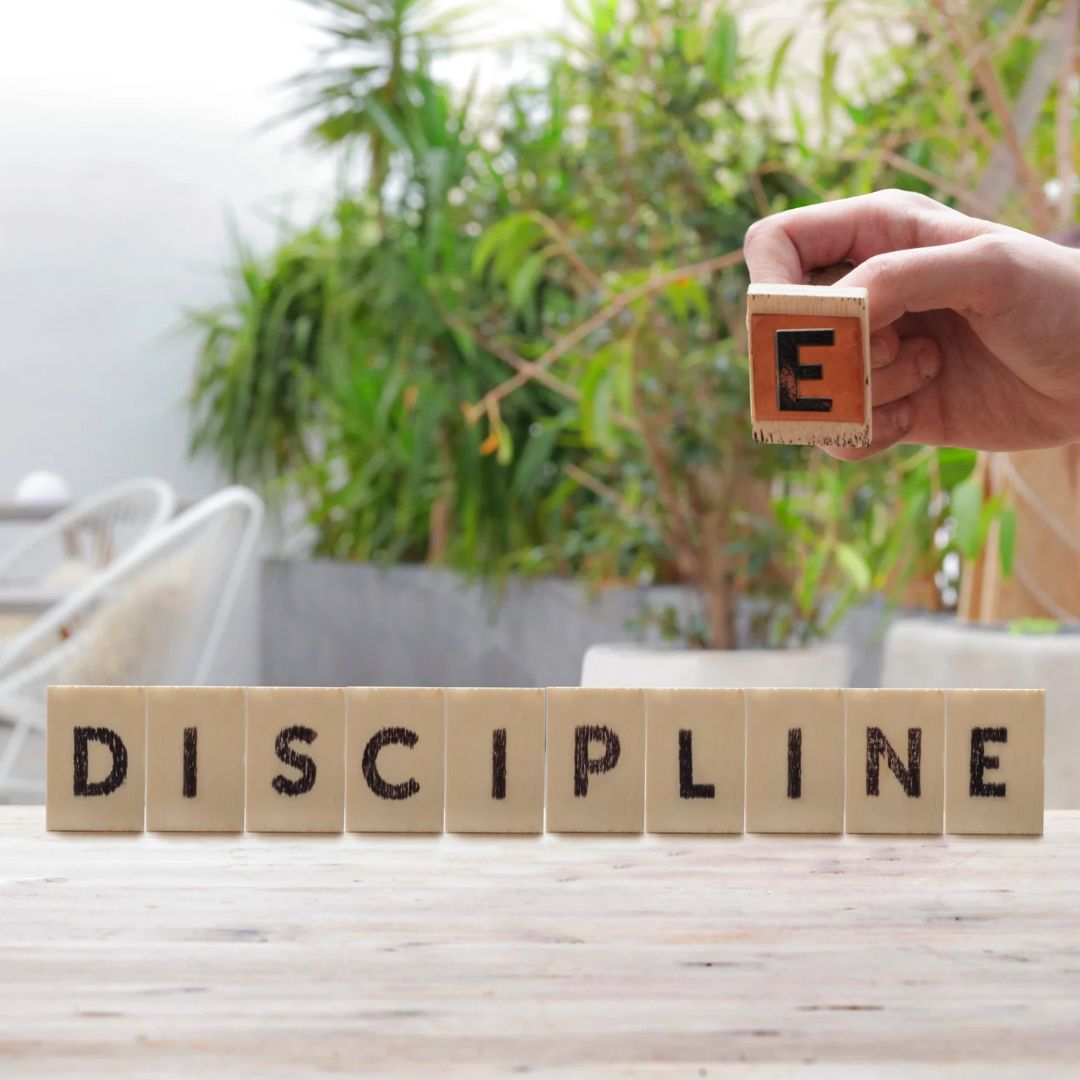
Self-discipline is the foundation of success, yet many people believe they lack it completely. The truth is, no one is born disciplined. Self-discipline is built step by step, through small actions repeated consistently. If you feel stuck, unmotivated, or overwhelmed, this guide will show you how to build self-discipline from zero and take control of your life.
Stop Waiting for Motivation
One of the biggest mistakes people make is waiting to feel motivated. Motivation is temporary and unreliable. Some days it shows up, and other days it disappears. Self-discipline, however, works even when motivation is absent. Action creates motivation—not the other way around. Start before you feel ready. Take action even when it feels uncomfortable. That is how discipline is born.
Start Small and Stay Consistent
Building self-discipline doesn’t require extreme effort. It requires small, consistent actions. If your goal feels too big, your brain will resist. Begin with simple habits—five minutes of exercise, reading two pages, or waking up slightly earlier. These small wins train your mind to follow through. Consistency matters more than intensity when building lasting discipline.
Create Simple Daily Routines
Discipline becomes easier when you remove unnecessary decisions. Routines reduce mental stress and eliminate excuses. Decide in advance when and how you will work on your goals. Morning routines, focused work hours, and planned breaks help you stay on track. Successful people rely on systems, not willpower. When routines are clear, discipline becomes automatic.
Learn to Handle Failure Without Quitting
Failure is part of the discipline-building process. Missing a day does not mean you’ve failed. Giving up does. Self-discipline is about returning quickly after setbacks. Be kind to yourself, but stay committed. Each time you recover from failure, your mental strength grows stronger.
Design an Environment That Supports Discipline
Your surroundings influence your behavior more than your intentions. A cluttered space creates a cluttered mind. Reduce distractions, limit social media, and organize your workspace. Surround yourself with positive content and disciplined people. When your environment supports your goals, discipline feels less like a struggle.
Connect Discipline to a Powerful Purpose
Self-discipline becomes meaningful when it is connected to a strong “why.” Ask yourself why you want to change your life. Is it freedom? Confidence? Security? A clear purpose fuels commitment during hard days. Discipline without purpose feels like punishment. Discipline with purpose feels like self-respect.
Final Thoughts: Discipline Is a Skill You Can Build
Building self-discipline from zero is not about being perfect—it’s about showing up. Start small. Stay consistent. Learn from failure. Over time, discipline becomes part of who you are. Remember, self-discipline is not restriction—it is the path to freedom.